
The Problem With Always Being the Bigger Person

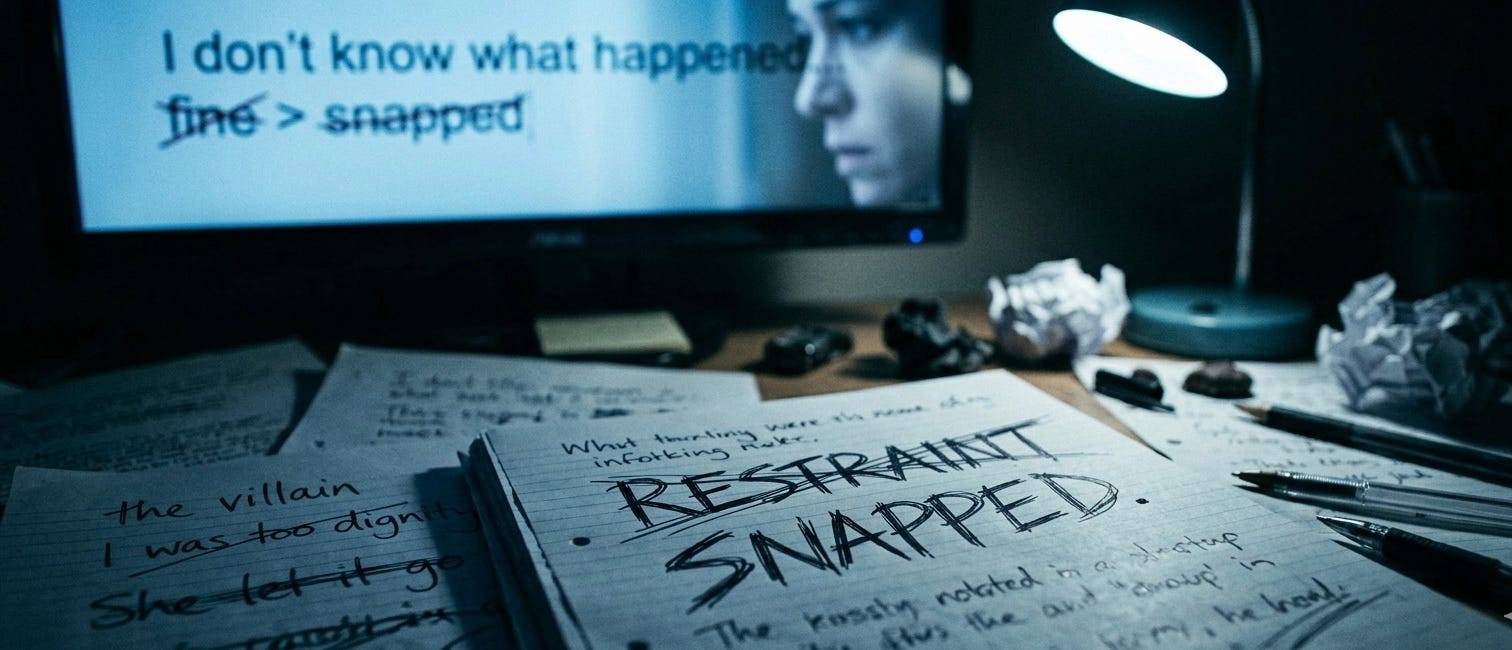
I was always the bigger person.
Growing up, I was taught to respect my elders regardless of whether they were right or wrong. My feelings had a ceiling, and past that ceiling, I was expected to swallow them.
So I did.
I learned to pass my emotions out through tears in private instead of words in public. And on the rare occasions I did speak up, it came with consequences.
So I learned to be quiet, reserved, and easier to misunderstand than to be called difficult. And I carried that pattern into adulthood.
Someone would hurt me and I’d hear: Be the bigger person, you’re better than that.
And I believed it, because I’d been taught that peace was the goal. I thought being the bigger person meant I was mature, evolved, and above the drama.
I thought I was protecting my character and my image, because that mattered more to me than almost anything.
So I stayed quiet when I shouldn’t have. I let things slide that deserved to be addressed. I absorbed disrespect and told myself that’s just what good people do.
They don’t make it a big deal.
They just let it go.
What I didn’t understand then is that being the bigger person isn’t neutral. It has a cost.
While I was busy being calm and collected, the other person faced nothing. They got to act however they wanted, say whatever they wanted, do whatever they wanted.
And if I ever did speak up? Suddenly I was the problem. Too sensitive. Overreacting. Causing drama. Holding grudges. Difficult. Too strict.
That’s the trap.
I hated how people perceived me, so I’d contort myself to protect an image. People-please to avoid the label. Stay quiet to keep the peace.
When you’re always the bigger person, your silence gets mistaken for acceptance. Your restraint looks like permission. Your peace becomes their playground. Because in their mind, if you’re not saying anything, it must be fine. If you’re letting it go, it must not have really hurt you.
So they keep going… and you keep absorbing.
I had someone in my life who admired me from a distance. When they got close, they started crossing lines.
Small things at first. Little comments, little disrespects, things I could brush off, and did, for years. I didn’t want to seem petty, or be the person who couldn’t take a joke. So I let it go. Again and again and again.
But the comments got sharper, even the disrespect got louder. Until I realized they were relying on my character to protect them from accountability.
The week before, I’d calmly said: “I don’t like that”, and days later, I was met with even bigger disrespect. So this time I didn’t argue or react.
I just said: “Please leave my house”
I didn’t create a scene or cause any drama. I just reached my limit.
Weeks later I started hearing things through a mutual friend.
“I didn’t think it was a big deal.”
“Is it because of that small thing?”
“I thought we were joking.”
Exactly. I never said anything. I was trying to preserve the friendship and avoid labels that weren’t the truth about me.
When the story got retold, my dignity was edited out entirely. They got to be the misunderstood one. As if I hadn’t been absorbing it for years, or my silence meant I hadn’t noticed.
This is what happens when you’re always the bigger person. You don’t get credit for your restraint. You get punished for finally using your voice. Because people don’t see the hundred times you let it go. They only see the one time you didn’t.
And somehow, you become the villain.
I’ve noticed something strange about the phrase “be the bigger person.” It’s always assigned to the one who was hurt, never the one who did the hurting.
The one who was hurt has to be gracious. The one who was disrespected has to be mature. The one absorbing the impact has to rise above it. And somehow that’s considered virtue.
Being mature doesn’t mean being available for harm. It doesn’t mean absorbing disrespect in the name of peace or staying quiet so other people stay comfortable.
Peace that costs you your voice isn’t peace. It’s you sacrificing yourself to maintain a version of harmony that only works for everyone else.
You can still choose grace and restraint, but not at the expense of yourself. Not by being so evolved that you learn to tolerate what should never have been tolerated.
Sometimes being the bigger person means being the one who speaks up. The one who says “this isn’t okay,” and refuses to let their silence be used as consent. Who chooses their own dignity over someone else’s comfort.
If that makes you difficult? Good. Let it. The alternative is being so easy that people forget you have limits at all.
The day I told her to leave my house, I didn’t feel victorious. I didn’t feel righteous or powerful, I just felt like myself. A little uncomfortable though. But that’s what choosing yourself actually feels like sometimes.
And that honesty was enough.
Being the bigger person was never about staying silent. It’s having the courage to tell the truth before resentment has to do it for you.
Have you ever been punished for finally speaking up after absorbing things silently for too long?
Subscribe for essays that don’t just inspire, they tell the truth.
With love,
Becky

It almost felt like you were narrating a story from my personal life because of how much it resonated with me. Growing up I’ve come to realize that the more I let things slide out of “peace” the more I was crashing out on the inside.
It mostly came with regrets, self disappointment and neglect and all that build up of emotions further makes me avoid people who rob off my peace and are only committed to crossing lines in form of jokes.
Because I’m not confrontational, my measure for peace js avoidance/distance.
Thank you